Delve into our archives with Senior Curator of History Victoria Millar and learn about St. John's Eve.
We have delved into our archives to learn more about how St. John's Eve was marked in Ulster. Read the extracts from notebooks and interviews below.
What is St. John's Eve?
The 23rd June is St. John’s Eve – the eve of celebration before the Feast Day of St. John the Baptist. The lighting of bonfires in honour of St. John was a common practice, so too was dancing. Some people believed the fires could result in good fortune.
Like many other Christian festivals, celebrations of St. John's Eve aligned with traditional celebrations of Midsummer, and many of the activities that once took place on Midsummer then took place on St. John's Eve. This practice is known as syncretism.
Popularity of Bonfires
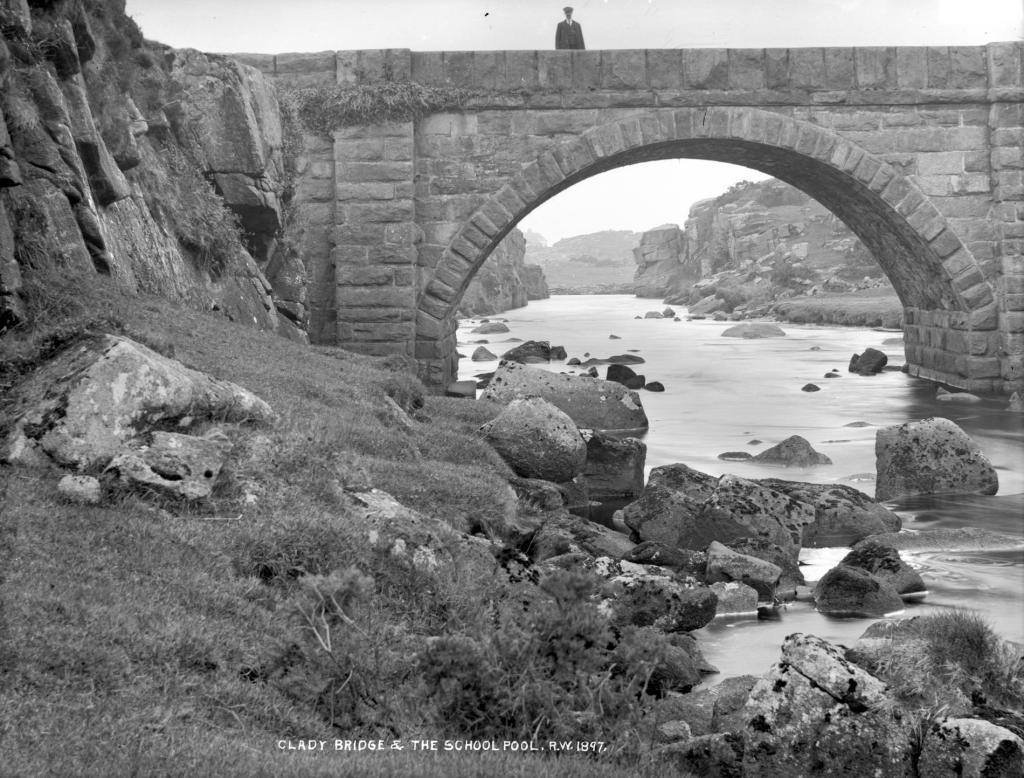
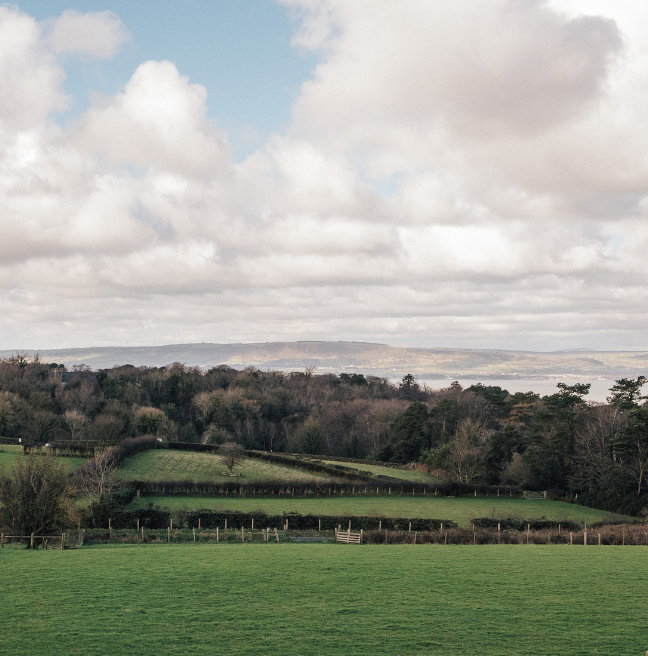
“There used to be a great habit of bonfires. Every townland would light a bonfire; you could see mine and I could see yours…We used to have a bonfire at the bridge.”
- Claudy, County Londonderry, 1985 (recorded interview)
Image
Clady Bridge and the School Pool (BELUM.Y.W.04.23.7)
Preparing the Bonfire
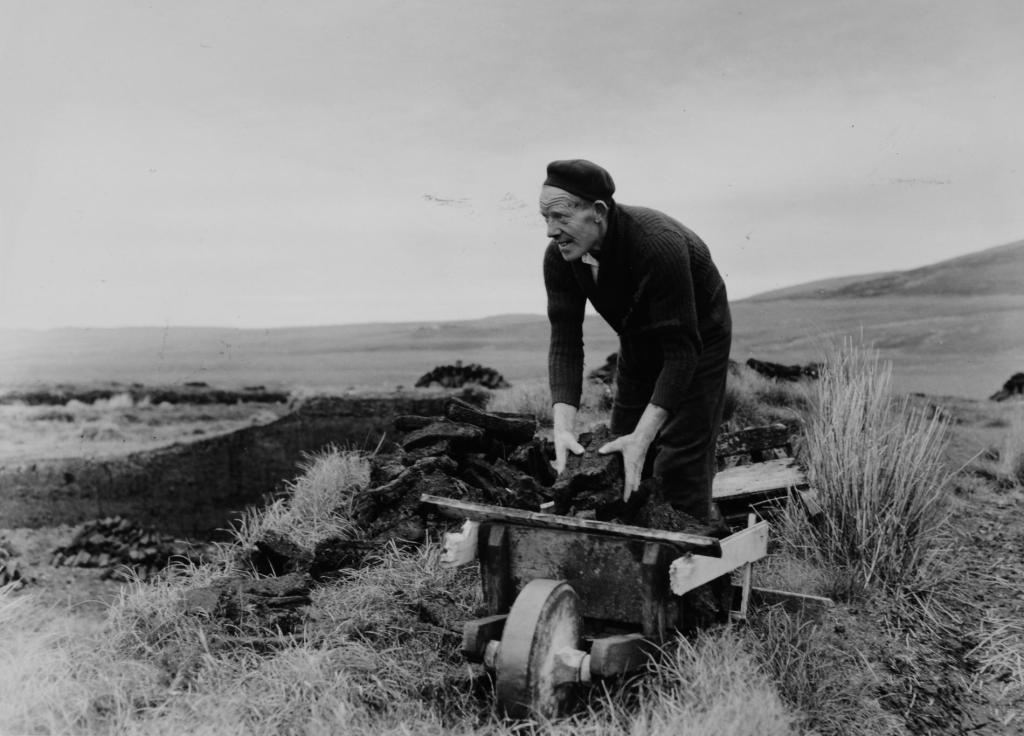
“You gathered up broken up sticks around the house and bits of wood and grass and a couple of bags of peat and you’d light a fire.”
- Tattykeel, County Tyrone, 1985 (recorded interview)
Image
A man filling a barrow of peat in a peat bog (BELUM.Yt759)
Celebrations at bonfires and crossroads
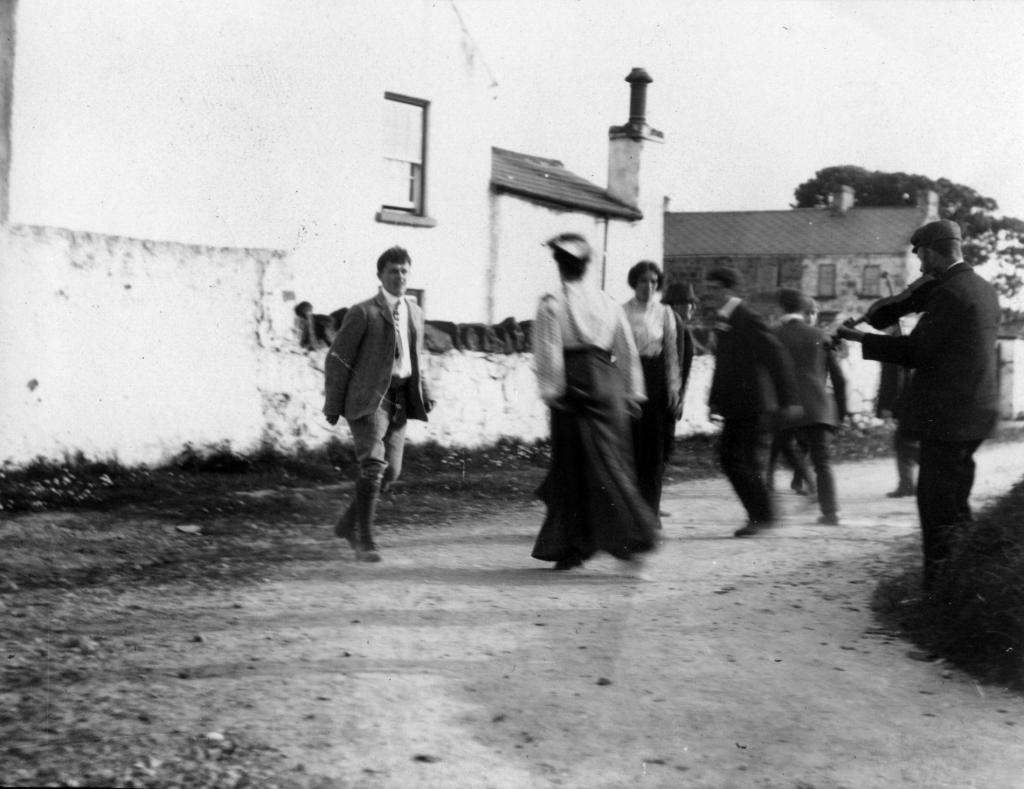
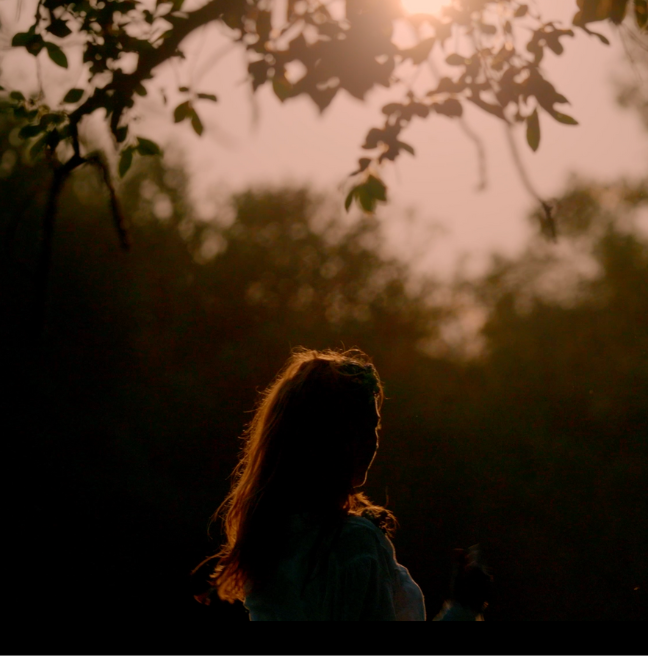
“They used to have dances at the crossroads…every house had a bonfire…and they danced and sung and drunk ‘til the morn.”
- Glenlark, County Tyrone, 1976 (recorded interview)
Image
Crossroads dancing, Glens of Antrim, 1906 (BELUM.Y10060)
Continued festivities
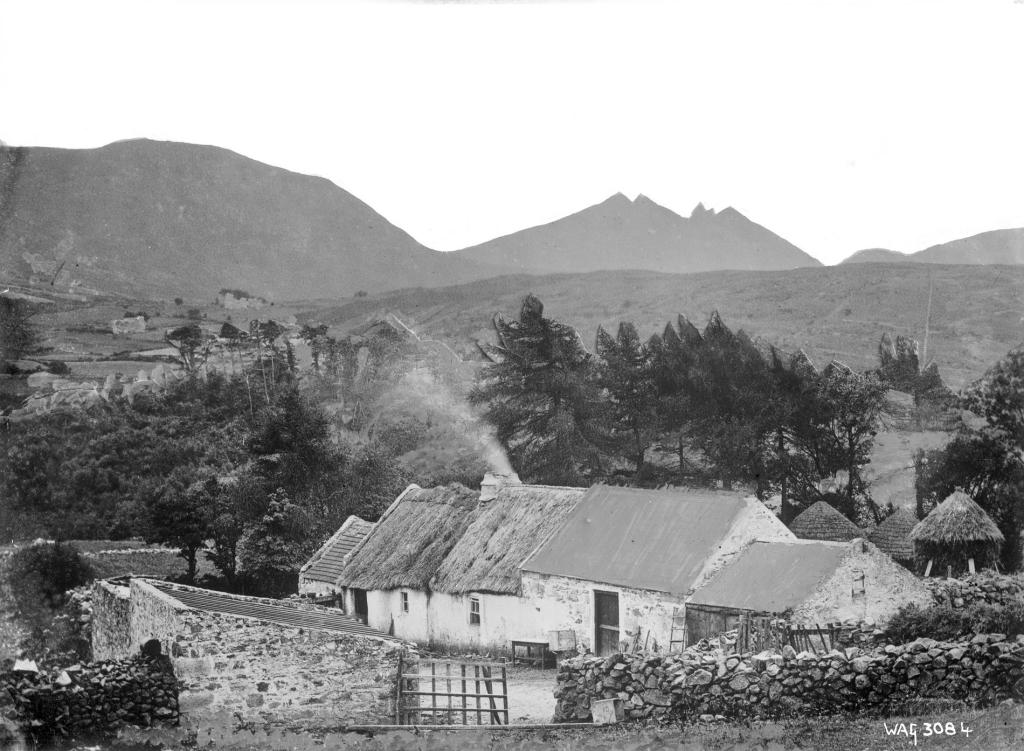
“After the fire would die out, they would retire to the farmhouse on whose land the fire was, and a feast would be, with continued dancing and merrymaking.”
- Ballygawley, County Tyrone, 1958 (notebook entry)
Image
A thatched farmhouse in the Mournes (HOYFM.WAG.3084)
A good crop
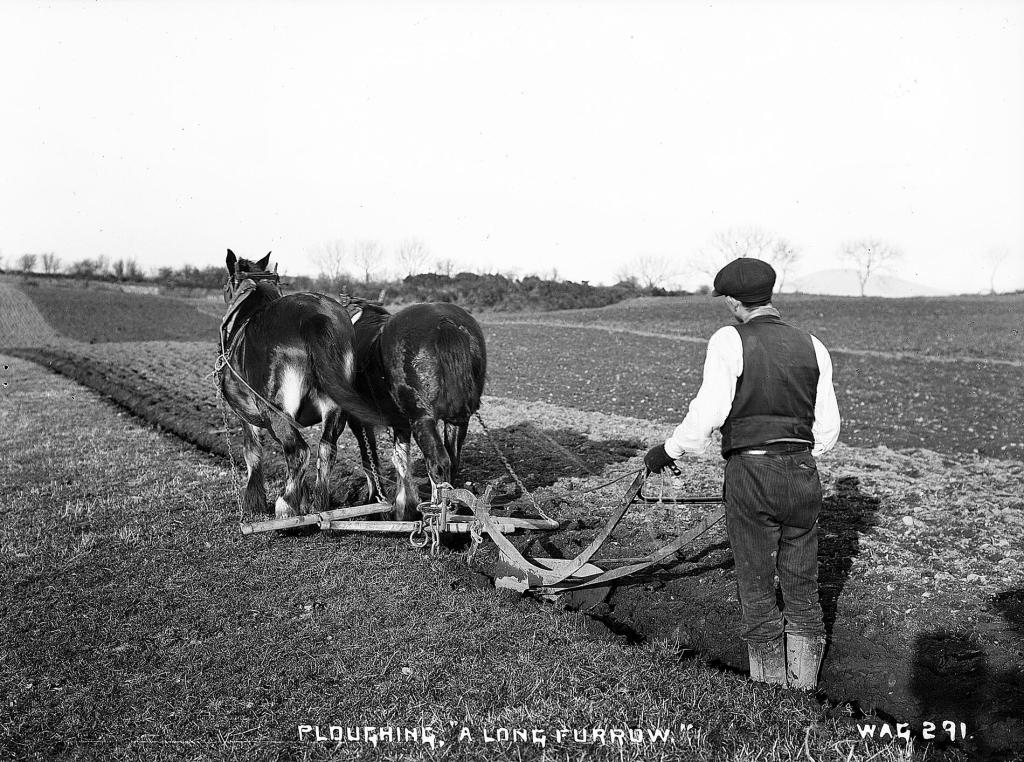
“From the ashes of the bonfire you take a coal… to have a good crop that year…you put it into the crop, into the furrow…people really believed that would be the results of it.”
- Belleek, County Fermanagh, 1978 (recorded interview)